Kramats of the Cape
When you visit a kramat
Come with a mind ready to learn, and a heart ready to receive.
Who rests here
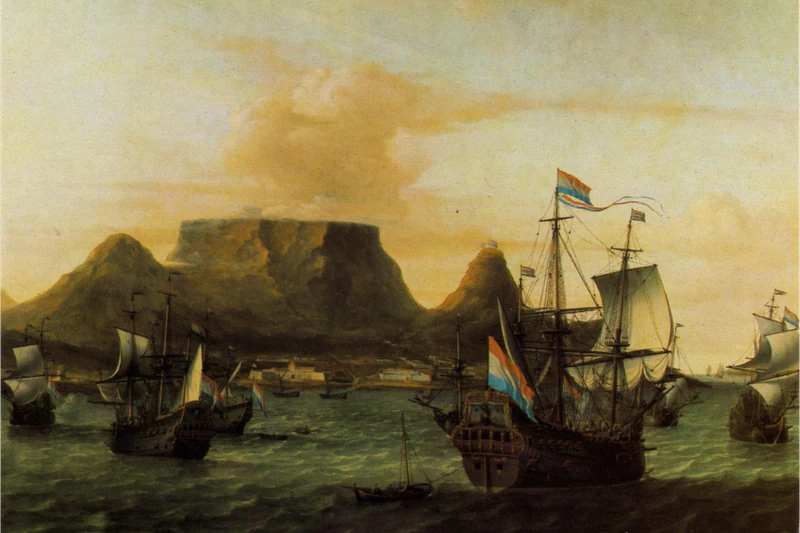
The people in these graves reached the Cape as exiles, political prisoners and slaves. Many were kept in chains for years. They lost their lands and their freedom. They kept their faith, and they found ways to pass it on.
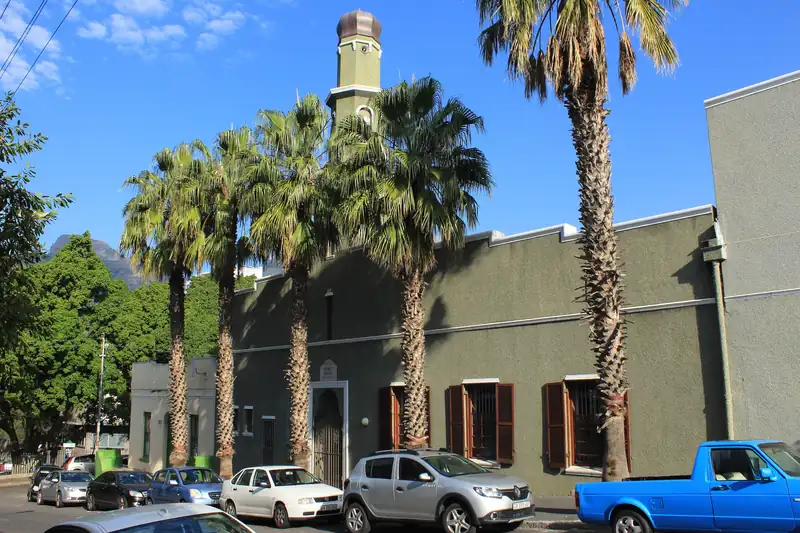
On Robben Island, Tuan Guru wrote out the Qur'an from memory. Released in 1793, he opened a madrasah in Dorp Street, and a year later he became the first imam of the first mosque in South Africa. By 1832 Cape Town had twelve madaris.
Sheikh Noorul Mubeen taught at night, sheltered by fishermen. Tuan Sayed Alawie, twelve years in chains, became a policeman and used the post to teach in the Slave Lodge. Shaykh Yusuf's household at Faure became the first lasting Muslim community at the Cape. Much of the faith practised here today grew from what they began.
What are you building, and what will outlast you?
Before you go
Settle your intention before you leave home. Go to learn from their lives, to remember death and the life after it, and to ask for a share of the mercy that descends on the righteous. Pray for them, for yourself and for every believer.
Our scholars remind us that the finest courtesy of a visit is to leave remembering the next world, and a little readier to meet your Lord.
On arriving
Our scholars teach that the believers who have gone before love to be visited, and hear the greeting of those who come. Greet them in the words the Prophet, peace be upon him, taught.
السَّلَامُ عَلَيْكُمْ دَارَ قَوْمٍ مُؤْمِنِيْنَ، وَإِنَّا إِنْ شَاءَ اللهُ بِكُمْ لَاحِقُوْنَ
As-salāmu ʿalaykum dāra qawmin muʾminīn, wa innā in shāʾ Allāhu bikum lāḥiqūn.
Peace be upon you, home of a believing people. We will join you, if Allah wills.
السَّلاَمُ عَلَى أَهْلِ الدِّيَارِ مِنَ الْمُؤْمِنِينَ وَالْمُسْلِمِينَ وَيَرْحَمُ اللَّهُ الْمُسْتَقْدِمِينَ مِنَّا وَالْمُسْتَأْخِرِينَ وَإِنَّا إِنْ شَاءَ اللَّهُ بِكُمْ لَلاَحِقُونَ
As-salāmu ʿalā ahl ad-diyār min al-muʾminīn wal-muslimīn, wa yarḥamu-llāhu al-mustaqdimīna minnā wal-mustaʾkhirīn, wa innā in shāʾ Allāhu bikum la-lāḥiqūn.
Peace be upon the people of these dwellings, believers and Muslims. May Allah have mercy on those of us who have gone ahead and those who come after. We will join you, if Allah wills.
At the graveside
Come in wudu, as the Society's guide asks, and dressed with care. Where the keeper asks, leave your shoes at the door.
At Oudekraal it is 99 steps up from the road, and you will arrive out of breath. Take a moment before you greet.

Stand facing the one you have come to see. At the grave of a scholar or one of the righteous, the people of knowledge say to stand at their feet; it is nearer to respect. If you sit, sit without hurry, and never on a grave. Keep your voice low. Let yourself be sad, only do not wail.
What to recite and gift
Open with al-Fatiha if you wish. Our scholars teach that anything of the Qur'an may be read, and they hold Ya-Sin in particular regard. If time is short, read Ayat al-Kursi, the last verses of al-Baqara and the three Quls. Mercy descends where the Qur'an is recited.
Then raise your hands. Ask that the reward of what you read reach them, and ask forgiveness for them, generously. Do not leave yourself out. At the kramats of the Cape, the Society's guide also asks for salawat and dhikr, even if all you know is the shortest surah.
- al-Fatiha
- Ya-Sin
- Ayat al-Kursi
- End of al-Baqara
- al-Ikhlas
- al-Falaq
- an-Nas
At the graves of the righteous
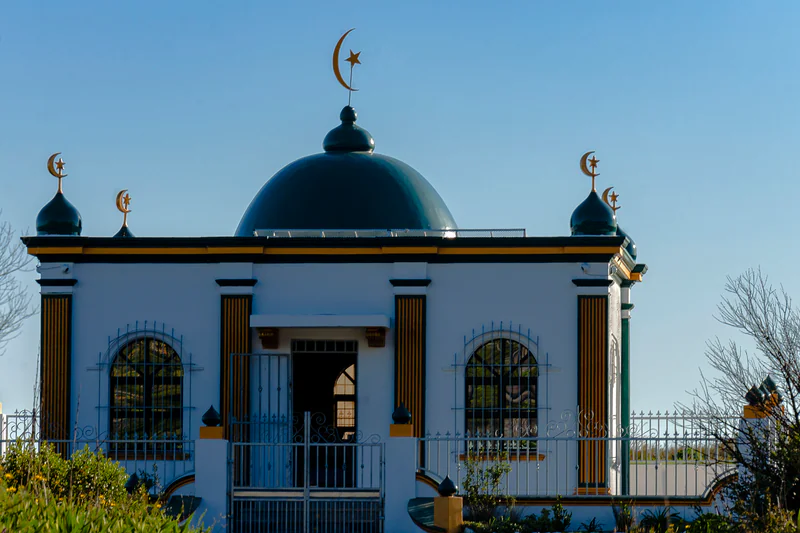
The people of knowledge teach that dua made at their graves is hoped to be answered, the asking always of Allah alone. When a need came to Imam al-Shafi'i, he prayed two rakat, went to the grave of Imam Abu Hanifa and asked Allah for it there. It was not long, he said, before it was met.