Cape Muslim heritage
The kramats of the Cape
Across Cape Town and the valleys beyond it lie the resting places of scholars, princes and teachers, many of them brought here in chains. Their graves became kramats, and the Cape's Muslims have honoured them for more than three hundred years.
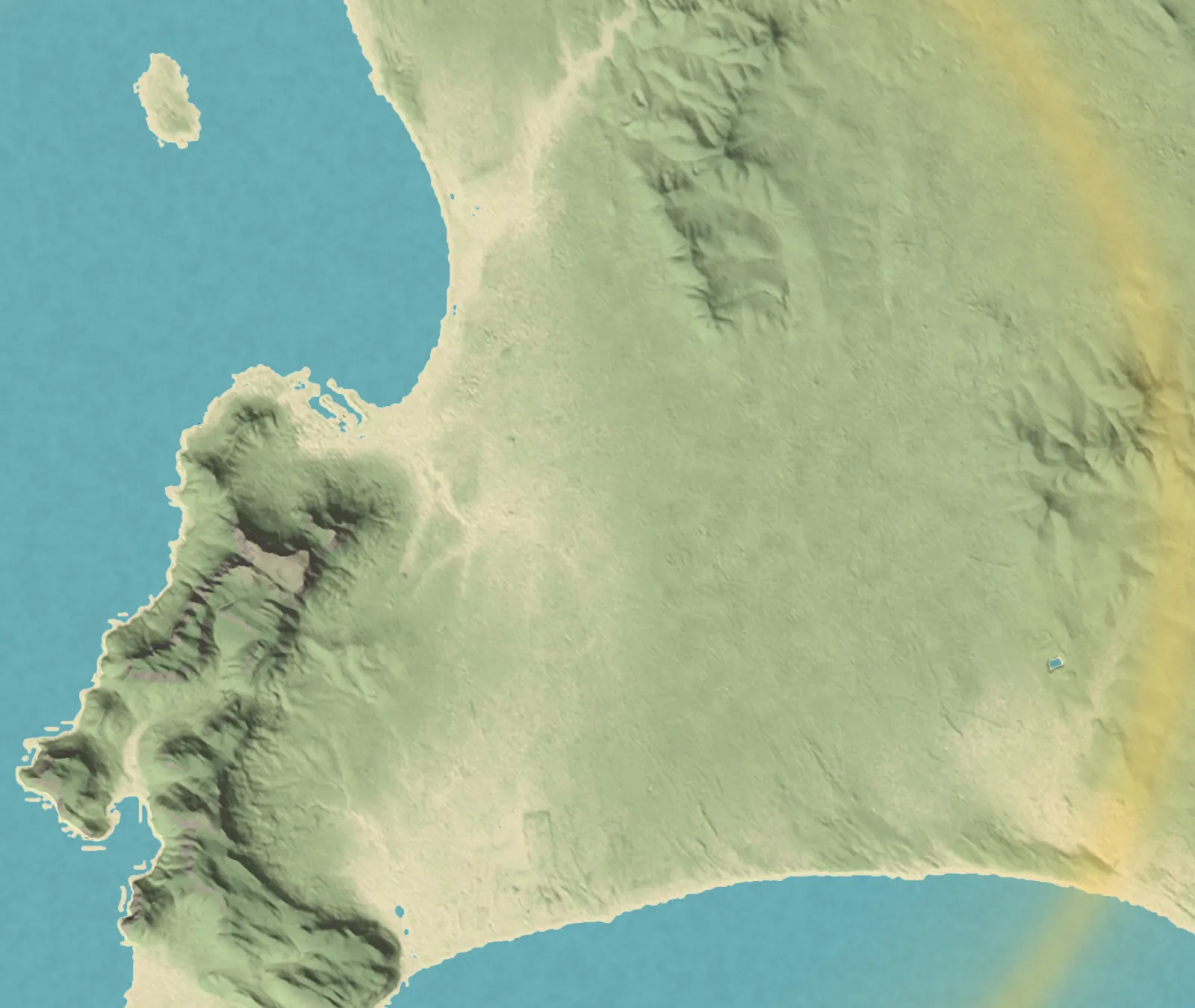
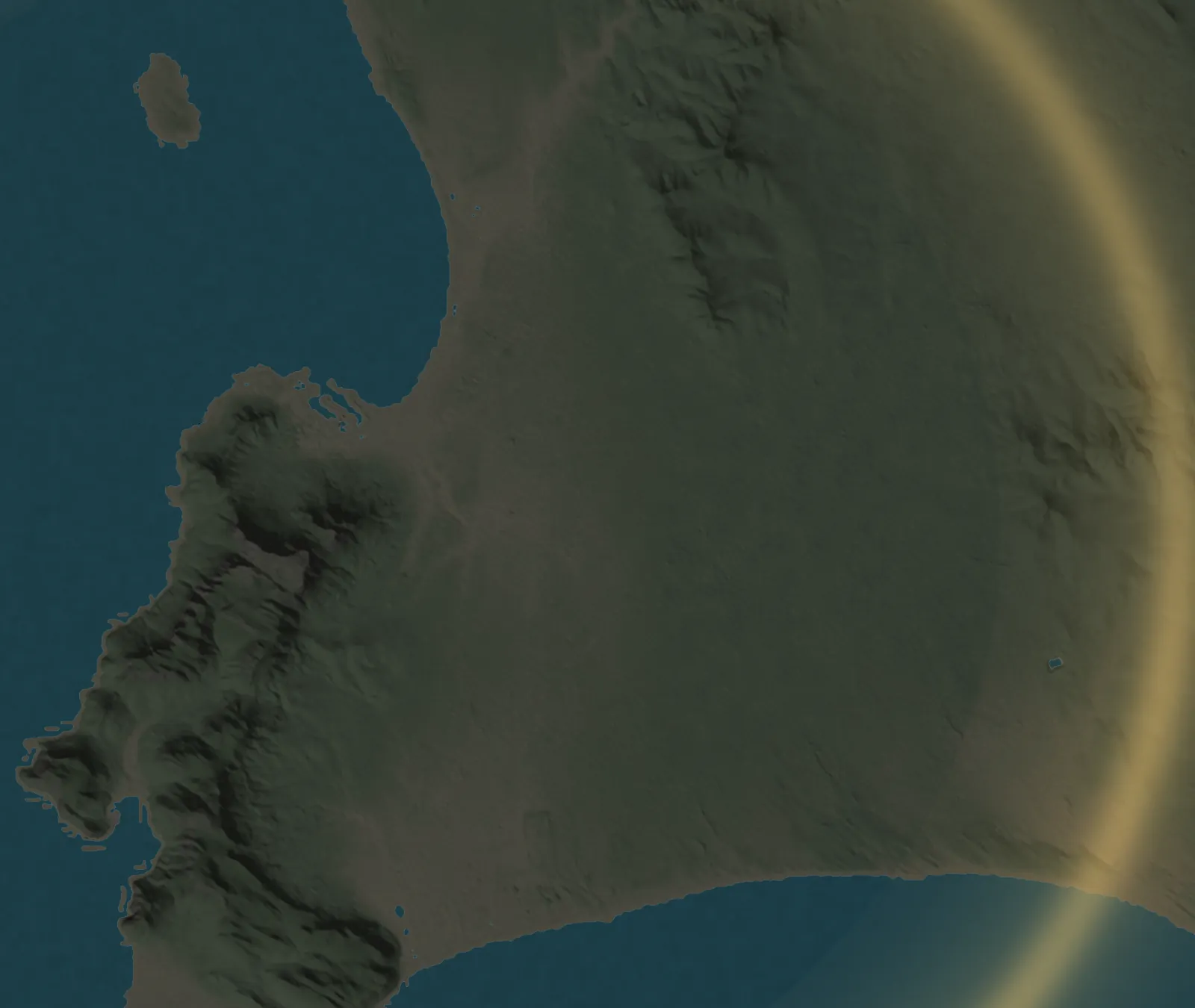
Hold Ctrl or ⌘ and scroll to zoom
Relief: public elevation data (AWS Terrain Tiles)
Explore the map
Kramats across the Cape
There are many kramats in the Western Cape, on mountain slopes, in old burial grounds and beside the sea. Here we begin with a selection, and more will follow. The ring of light above the Cape stands for the circle of the tradition. Choose a dome to read who rests there.
- The circle of the tradition
- A kramat in the circle
- A kramat elsewhere in the Cape
- Approximate place only
Honouring the friends of God
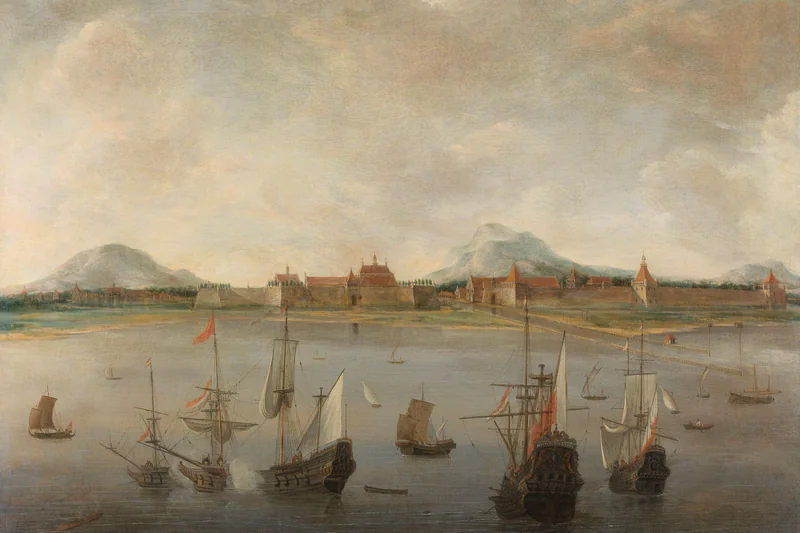
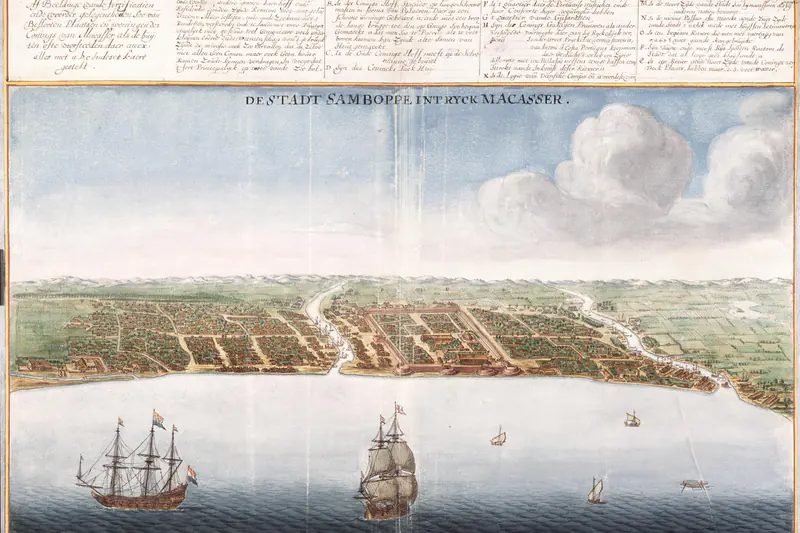
The Muslims of the Cape trace their faith to the Sufi traditions of South East Asia. In the lands that are now Indonesia and Malaysia, honouring the awliya, the friends of God, was held as a natural expression of honouring God and His final Messenger, peace be upon him. That love came to the Cape with the scholars, princes and ordinary believers whom the Dutch East India Company brought here from the late 17th century, as exiles or as enslaved people.
Many of those men taught Islam in secret, in prison cells and in slave quarters at night. Where they were buried, their graves became kramats. Through the blessings bestowed on these favoured men and women of God, generations of Cape Malays, like Muslims across the world from Morocco to Malaysia, have sought solace and blessing at their resting places. Families still climb the steps at Oudekraal and read the Qur'an at Faure. Since 1982 the Cape Mazaar (Kramat) Society has repaired and rebuilt many of them.
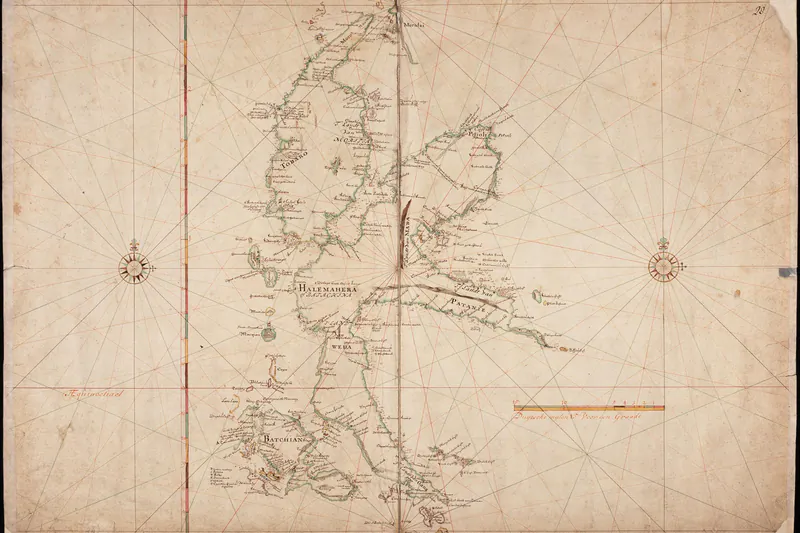
The circle of the tradition
The Cape Mazaar (Kramat) Society's guide records a prophecy, said to have been made more than 250 years ago, of a circle of Islam around the Cape. In the tradition, the circle is now complete. It begins at the old burial ground of Tana Baru above Bo-Kaap, rises to the graves on Signal Hill, follows the mountain round to Oudekraal above the Atlantic, turns inland to Constantia, crosses the Cape Flats to Shaykh Yusuf at Faure, and closes across the water on Robben Island. Many believe the circle protects those who live within it.
Many more kramats stand across the Western Cape: on the slopes of Table Mountain and Devil's Peak, above Simon's Town and Muizenberg, and as far inland as Worcester, Caledon and Bainskloof. This page begins with a selection of them. Some hold men whose lives are well recorded. Of others, only a name survives.
In 2021 the South African Heritage Resources Agency declared ten of the kramats national heritage sites. Its declaration describes their importance as lying in the character, knowledge and spiritual presence of those buried there.
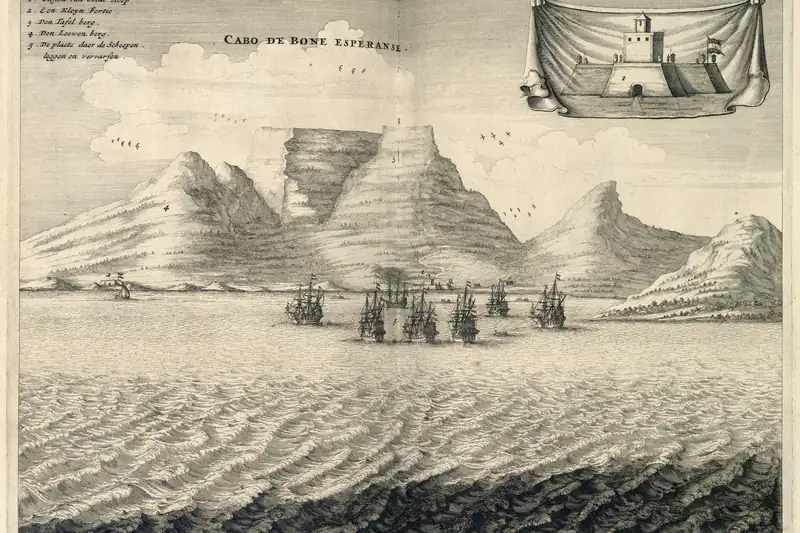
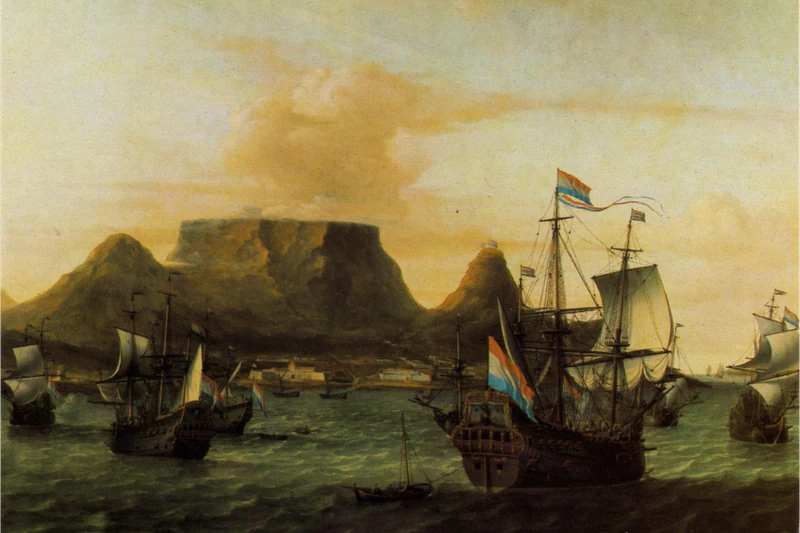
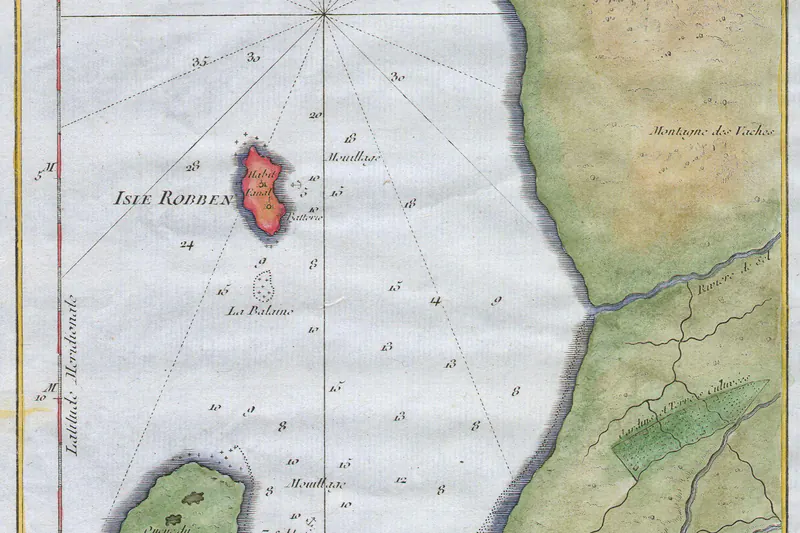
Tana Baru, Signal Hill, Oudekraal, Constantia, Faure and Robben Island
In the circle of the tradition
-
Tana Baru
-
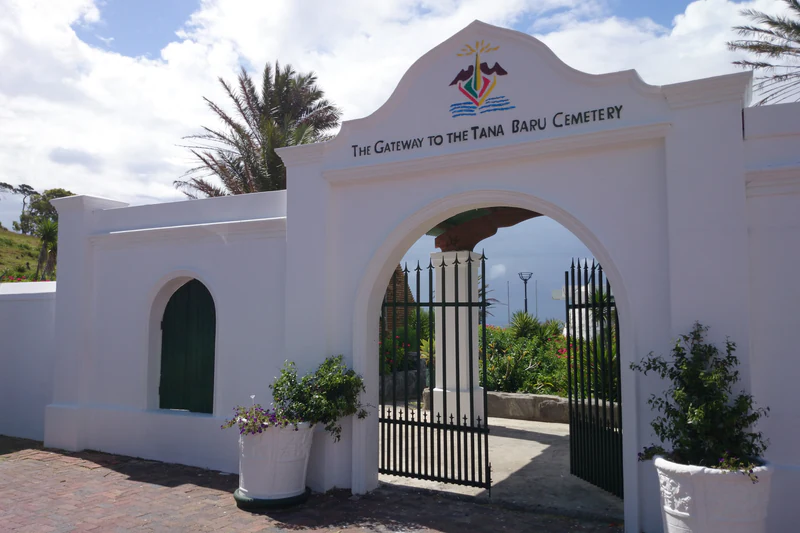 Tuan Guru A prince of Tidore who wrote out the Qur'an from memory on Robben Island, then opened the Cape's first madrasah and led its first mosque.
-
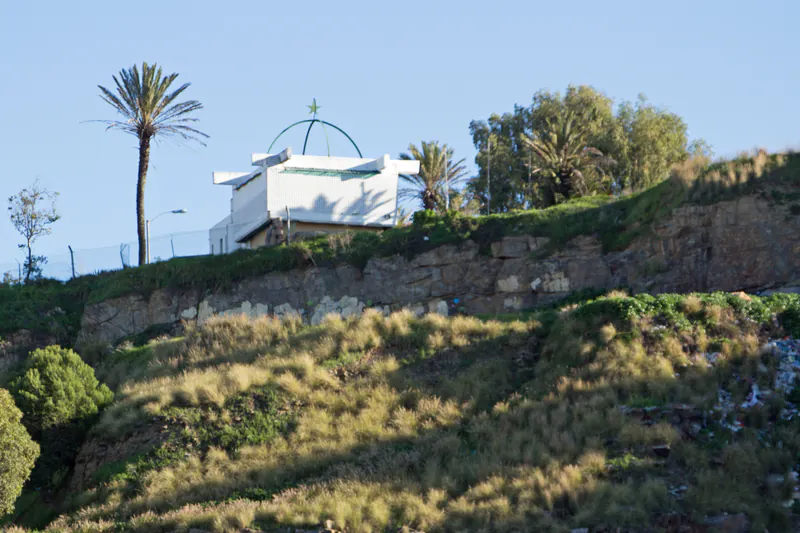 Tuan Sayed Alawie A scholar from Mocha in Yemen who, after twelve years in chains, became a Cape Town policeman and used the post to teach in the Slave Lodge.
-
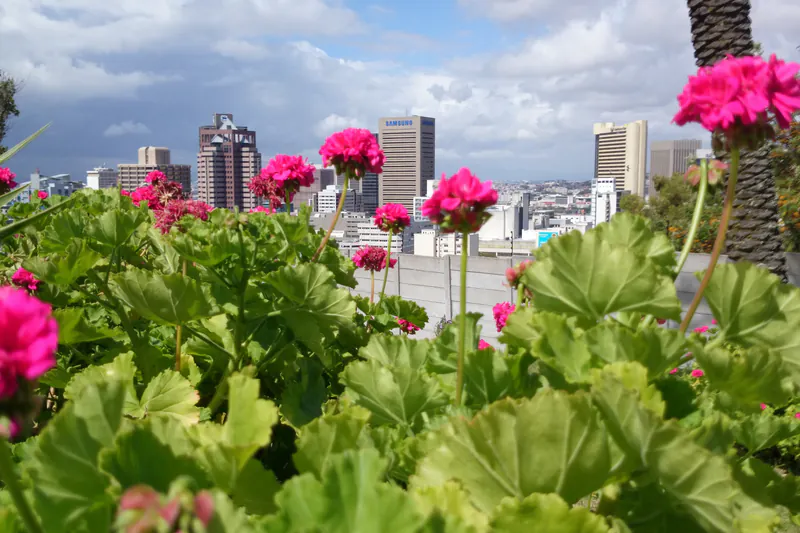 Tuan Nuruman Held in the Slave Lodge, imprisoned for helping people escape, and still digging water pits along Lion's Head at the age of eighty.
-
-
Signal Hill
-
Constantia
-
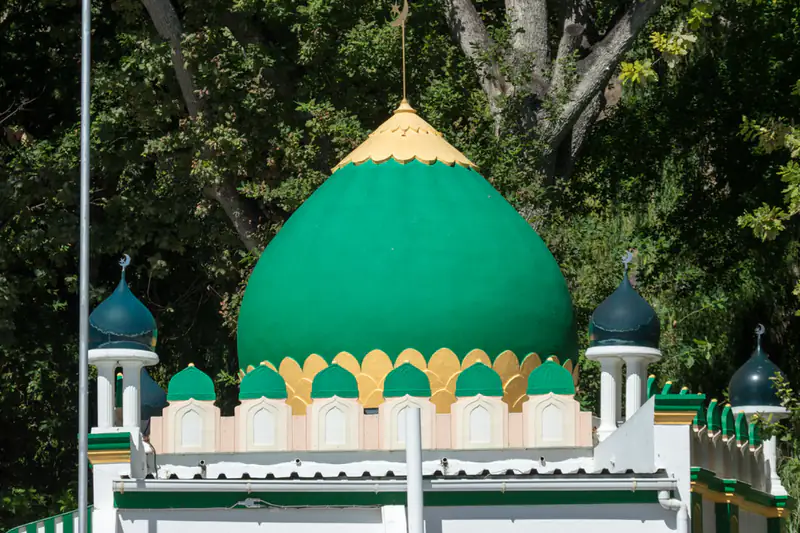 Sheikh Abdurahman Matebe Shah National heritage siteA Sumatran leader of the resistance to the Dutch, exiled to the Company's forest at Constantia in 1668, where he taught the enslaved woodcutters.
-
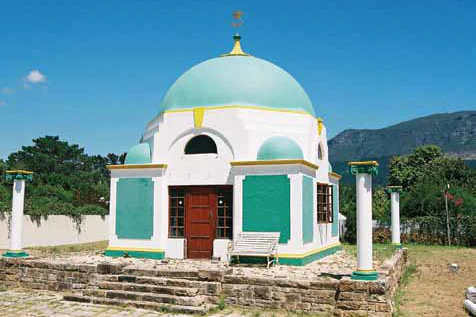 Sayed Mahmud National heritage siteReligious adviser to Matebe Shah, exiled with him in 1668 and buried on the hill in Constantia now called Islam Hill.
-
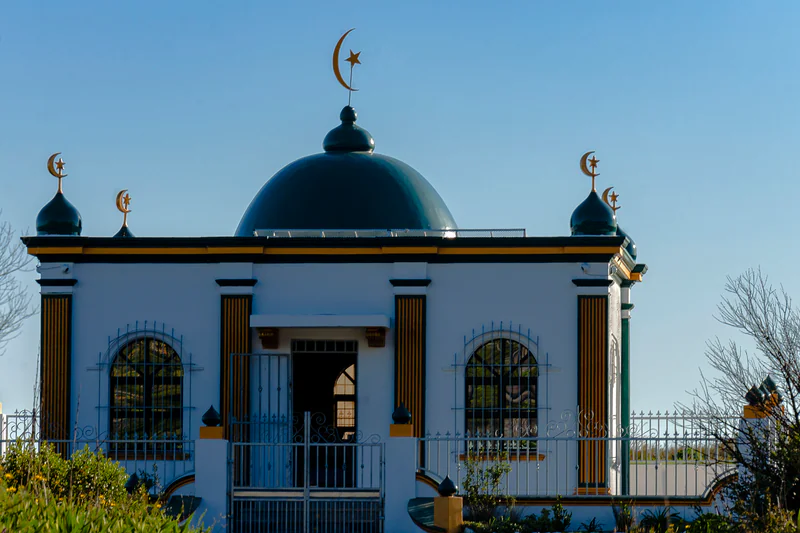
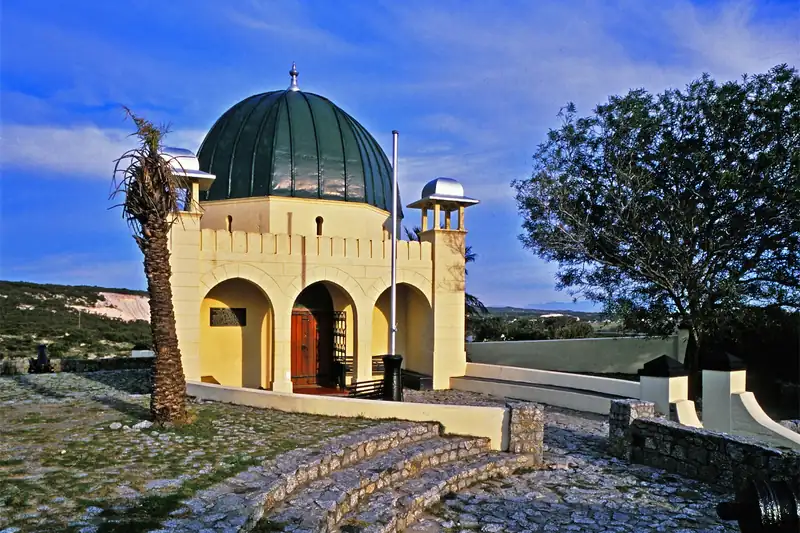
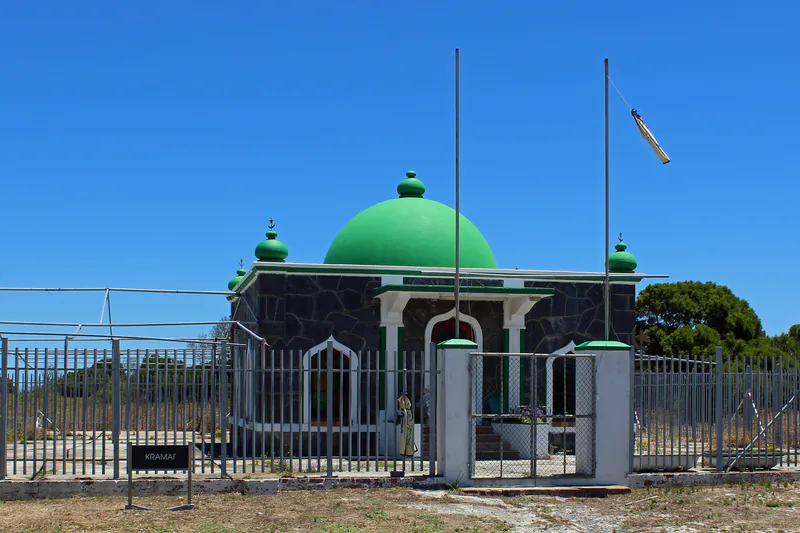
Table Mountain, the coasts and the valleys inland
Across the Cape
-
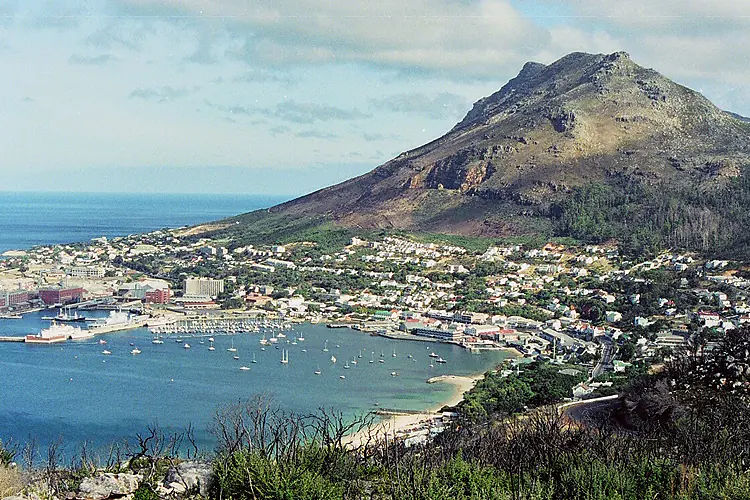 Simon's TownTuan Ismail Dea Malela and Tuan Dea Koasa A father and son of the royal family of Sumbawa, buried in a forest clearing above Simon's Town.National heritage site
-
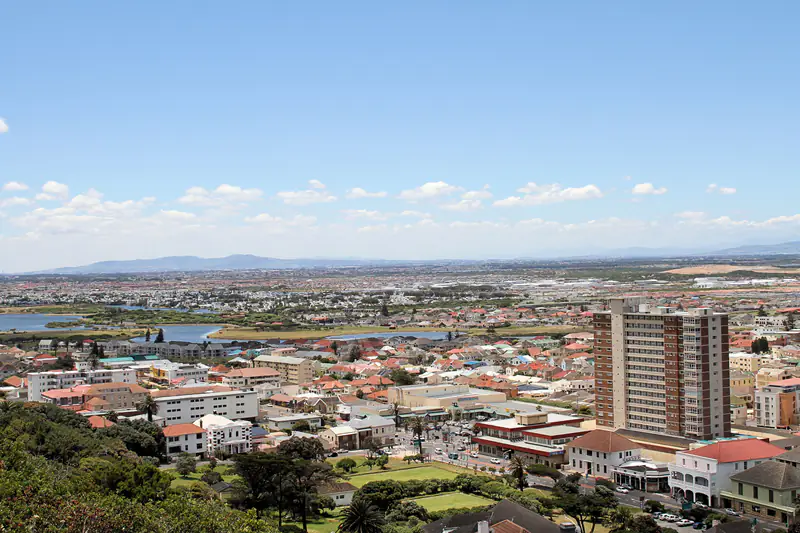 MuizenbergSayed Abdul Aziz A grave on the Muizenberg shore, found through a dream and later moved. Almost nothing else is known.
-
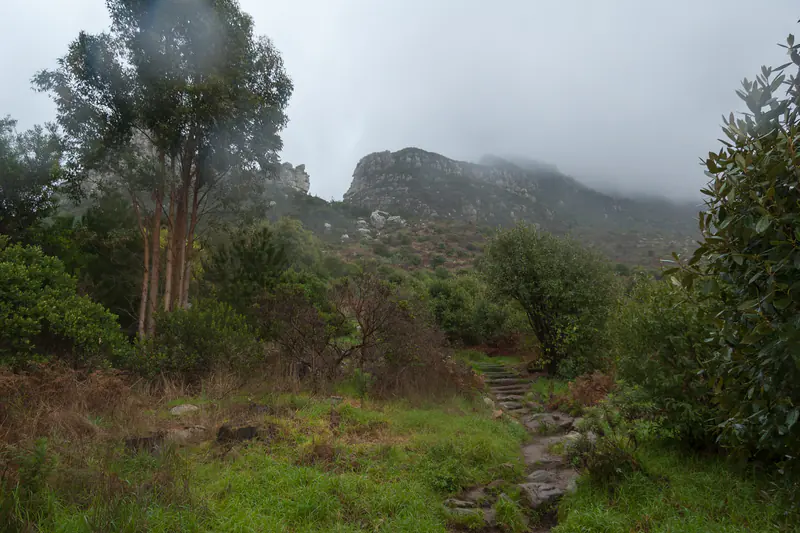 Constantia forestSheikh Abdul Mutalib A grave in the Constantia forest found in 1972, perhaps one of the many exiles sent to work there.National heritage site
-
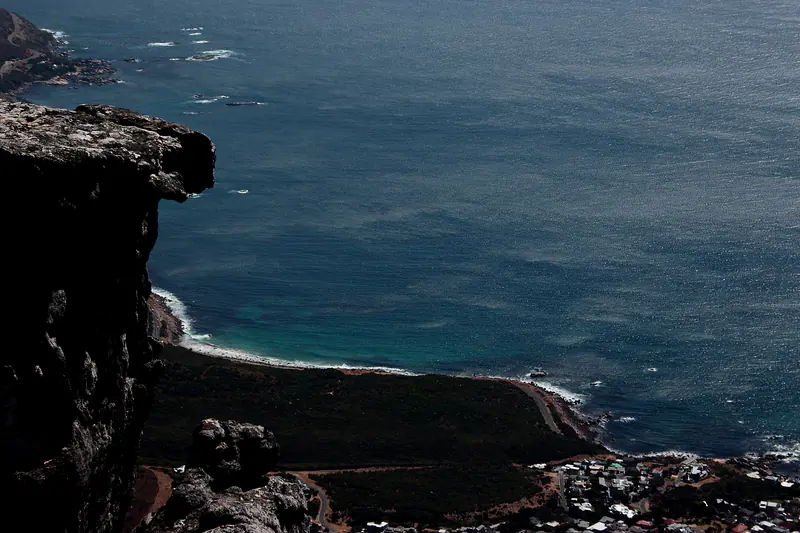 Bakoven, above Victoria RoadSayed Jaffer A sheikh of the Alawi tariqa, buried in a ravine above Bakoven. His grave has outlasted the storms that took its tomb.
-
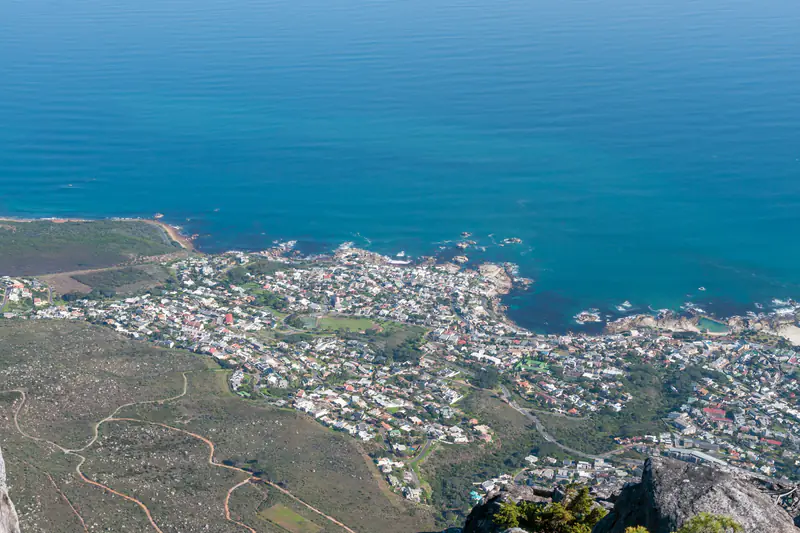 Camps Bay, off Hely HutchinsonSheikh Ali A lesser-known grave above Camps Bay, kept by a stonemason who found it.
-
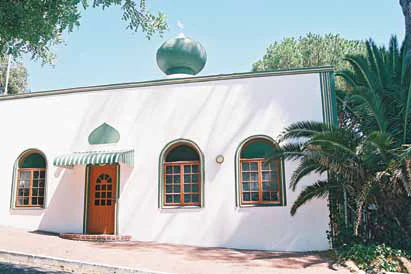 VredehoekSayed Abdul Malik Healer, imam and friend of Tuan Guru, who trusted him with his estate and his sons.
-
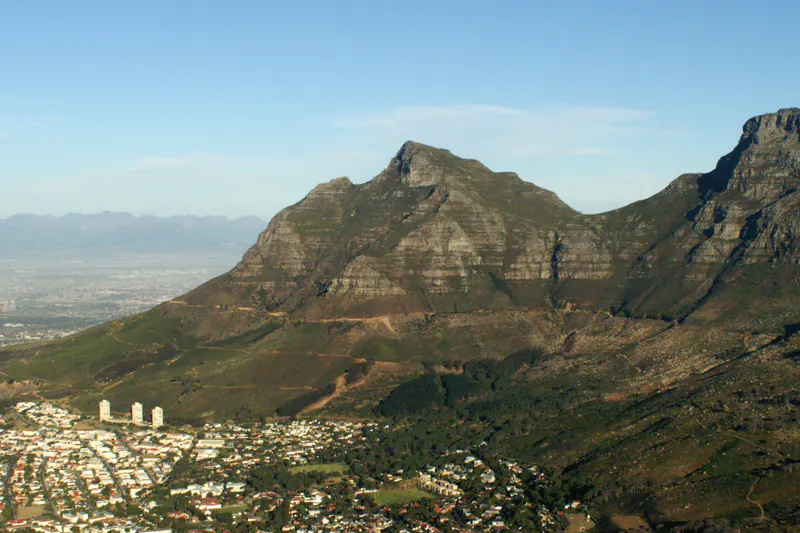 Deer Park, below Table MountainSayed Abdul Haq A Qadiri sheikh buried beside a mountain stream at the foot of Table Mountain, one of five graves along its banks.
-
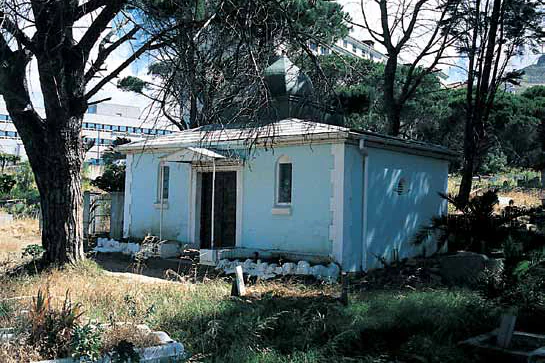 Mowbray cemeterySayed Moegsien bin Alawie al-Aidarus A scholar from Hadramawt who came to Cape Town in 1909 and is remembered for finding the kramats of Oudekraal and Bakoven.National heritage site
-
Mowbray cemeterySheikh Abdurahman ibn Muhammad al-Iraqi A scholar from Basra who wrote books on Islam in Afrikaans set in Arabic script.National heritage site
-
Devil's Peak, above De Waal DriveSheikh Abdul Kader and the graves of Devil's Peak Graves on the slopes of Devil's Peak whose names are lost, and one whose place was kept secret.
-
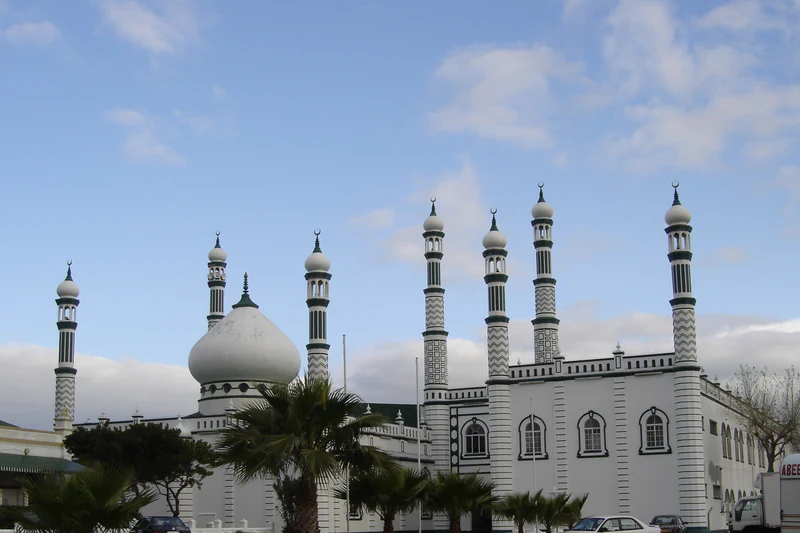 Habibia, RylandsMoulana Abdul Latief Led the first Jumu'ah on the Cape Flats in 1904 and built the Habibia mosque and school from a wood and iron shack.
-
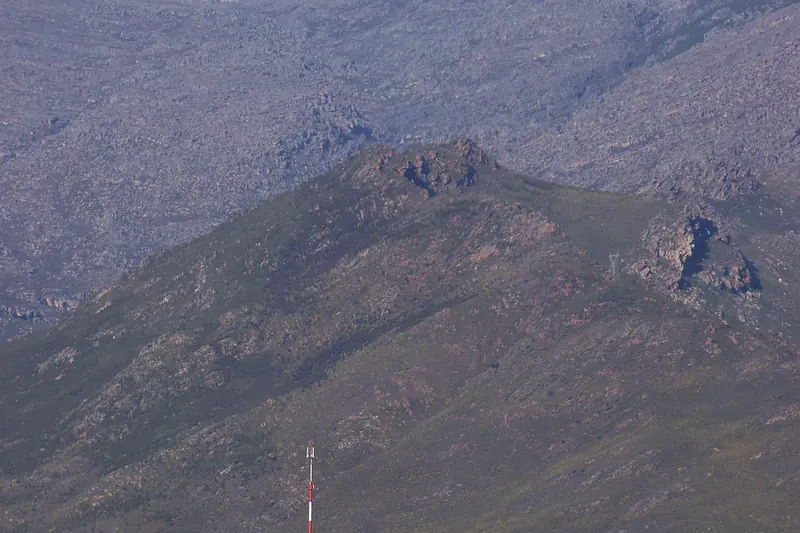 Rawsonville road, WorcesterTuan Masud A grave in the Breede valley found after a night visit from a rider on a white horse.
-
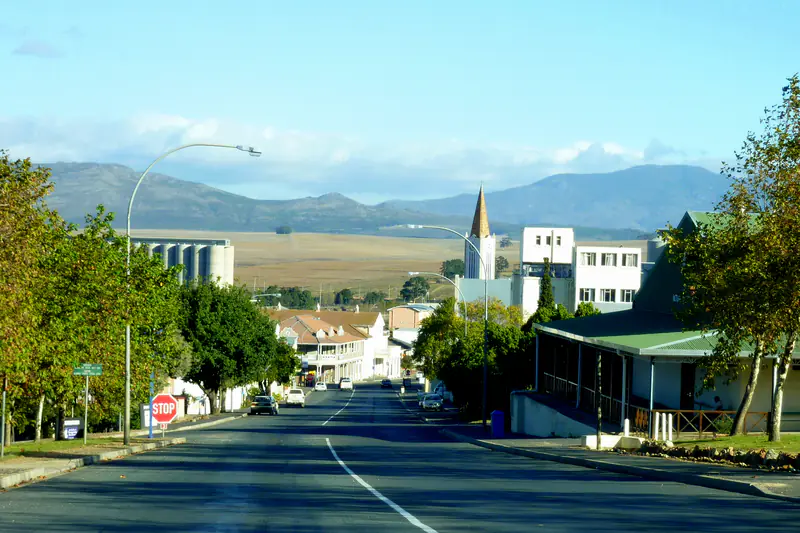 Caledon, OverbergSayed Abdul Kader A grave beside the Caledon road that the floods never reach.
-
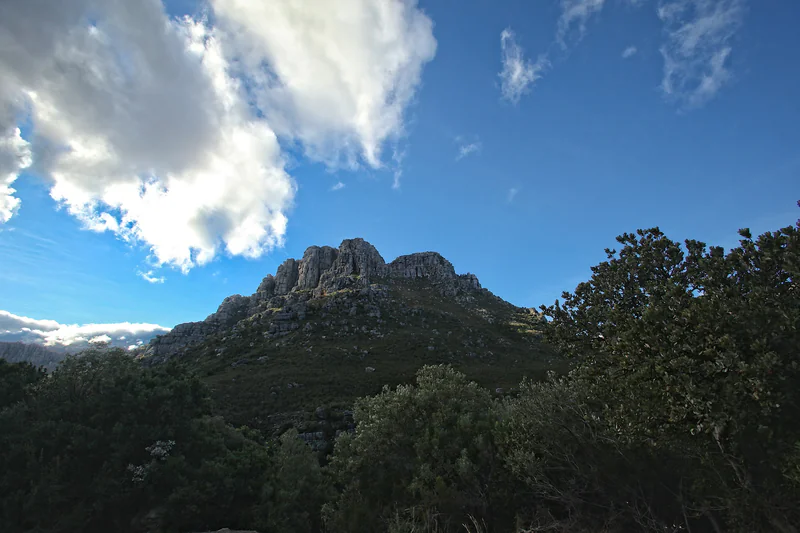 Bainskloof Pass, near WellingtonSheikh Suleiman A grave on the mountain slope near the bridge at Bainskloof. Only his name is known.
Before you go
Visiting a kramat
- Take your shoes off before entering a covered tomb.
- Never sit on, lean against or step over a grave.
- Keep your voice low and leave room for anyone praying or reading.
- Dress modestly, covering shoulders and knees, and follow the caretaker's guidance on head coverings.
- Ask the caretaker before taking photographs, and never photograph someone at prayer.
- Visit in daylight and in company, especially on the mountain paths of Signal Hill and Table Mountain.
- Visitors of every faith are welcome. Christians and Hindus have long visited the kramats too.
The greeting for the people of the graves, and what to recite
Salaam's Cape Town organises bespoke kramat tours, shaped around the size of your group and the places you would most like to visit.
Ask us about a kramat tour