In the circle of the tradition · Tana Baru
Tuan Sayed Alawie
Also remembered as Tuan Sayeed Alawie
A scholar from Mocha in Yemen who, after twelve years in chains, became a Cape Town policeman and used the post to teach in the Slave Lodge.
From Mocha
Tuan Sayed Alawie came from Mocha in Yemen, on the Red Sea coast of Arabia. It is not certain whether he was brought to the Cape directly from there, or from Indonesia, where he had been teaching. He arrived in 1744 with a fellow prisoner, Haji Matarim. The Dutch records classed the two men as Mohammedaansche Priesters, Muslim priests, to be kept in chains for the rest of their lives.
A policeman in the city that held him
After serving twelve years, he joined the police of Cape Town, the city to which he had been banished. The post gave him access to the Slave Lodge, where the Company held enslaved people, and he used it to teach them Islam.
It is told that he would enter the locked and guarded slave quarters at night with a Qur'an in his hand, teach, and come back with food. The guards could never explain his visits.
His grave
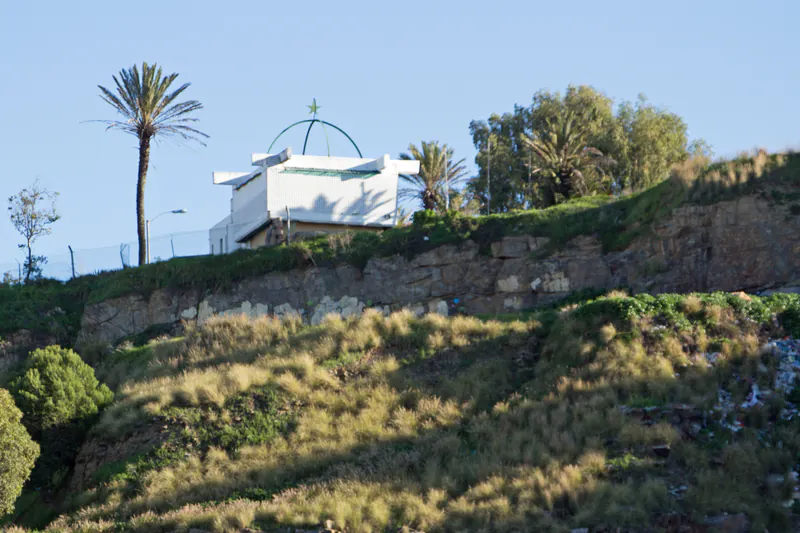
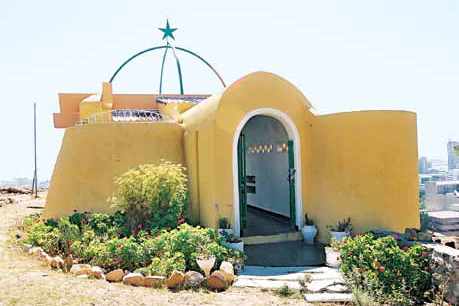
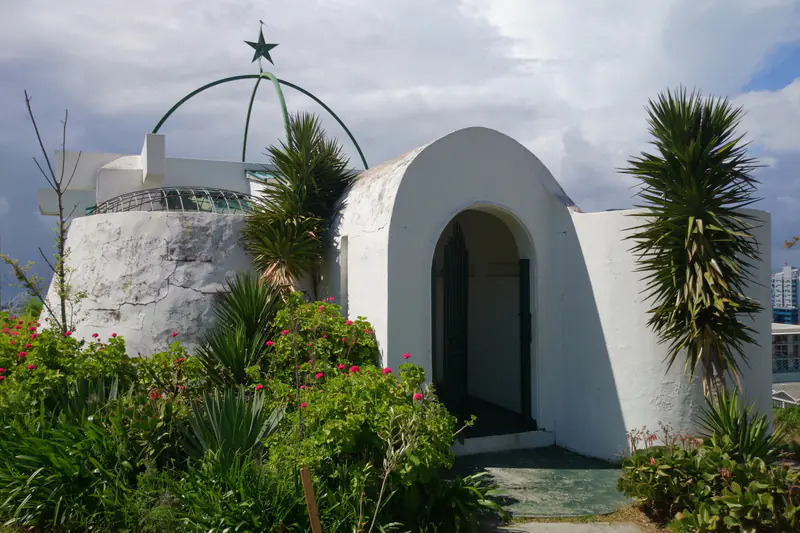
Tuan Sayed Alawie died in 1803 and was buried in the Muslim burial ground at the top of Longmarket Street. Those who loved him built a low wall around the grave, simple and Cape in style, with a headstone of Robben Island slate wrapped in white cloth and scented with attar. That first enclosure was later replaced by the present tomb, entered through a passage, with a minaret above the main chamber.
Sources: Guide to the Kramats of the Western Cape, Cape Mazaar (Kramat) Society (1996; third impression 2010).