In the circle of the tradition · Tana Baru
Tuan Nuruman
Also remembered as Paay Schaapie de Oude, Imam Norman
Held in the Slave Lodge, imprisoned for helping people escape, and still digging water pits along Lion's Head at the age of eighty.
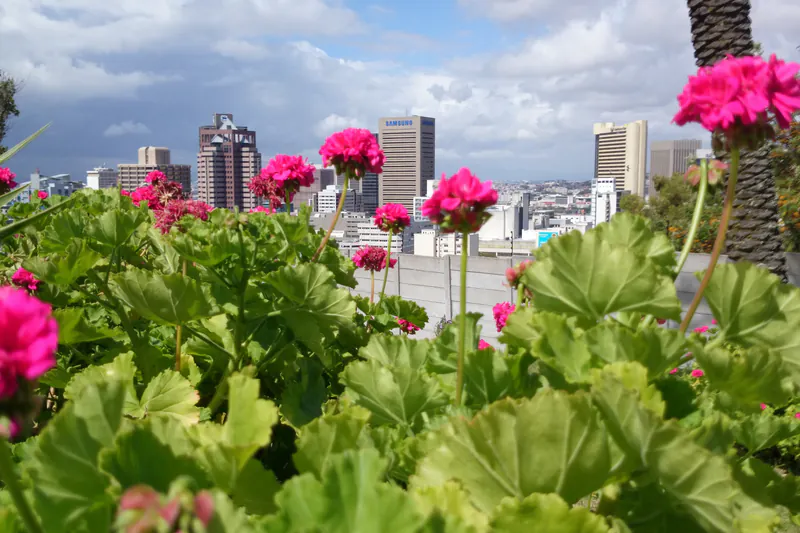
In the Slave Lodge
Tuan Nuruman reached Cape Town in 1779 and was held in the Slave Lodge at the top of Adderley Street. The people held with him called him their priest, their doctor and their wonderworker, and it was said that a light came from him when he prayed.
Robben Island
In 1786 a group planning to escape asked him for an azeemat, and he gave it. They were caught with it, and the authorities used it as evidence against him. He was sent to Robben Island for helping them.
On his release he lived among the free Black community of the city and served as their imam at every communal occasion. Later he asked to be housed at the Slave Lodge again, with his daughter, so that he could reach the people still held there.
A vow kept
At the age of eighty he was still working on the city's roads. He dug pits and small dams along the flank of Lion's Head, from Green Point towards the city, to hold rainwater for animals to drink. He had vowed to work in a public place from sunrise to sunset, and he kept the vow.
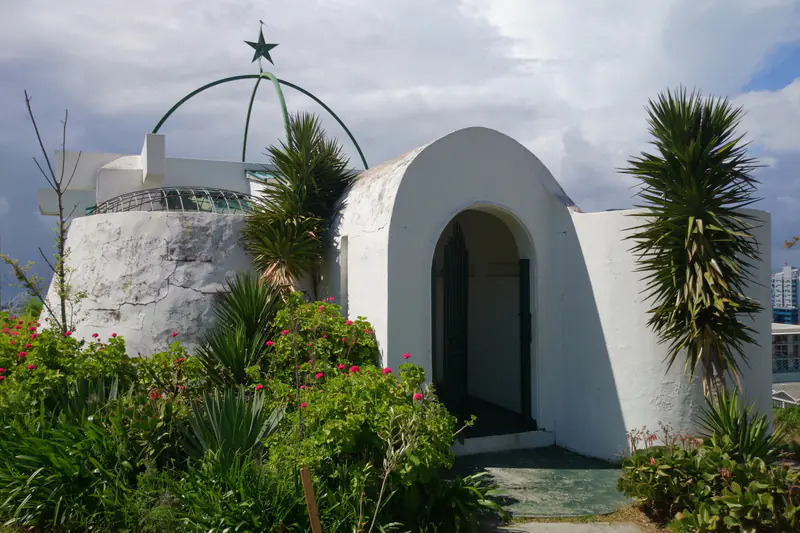
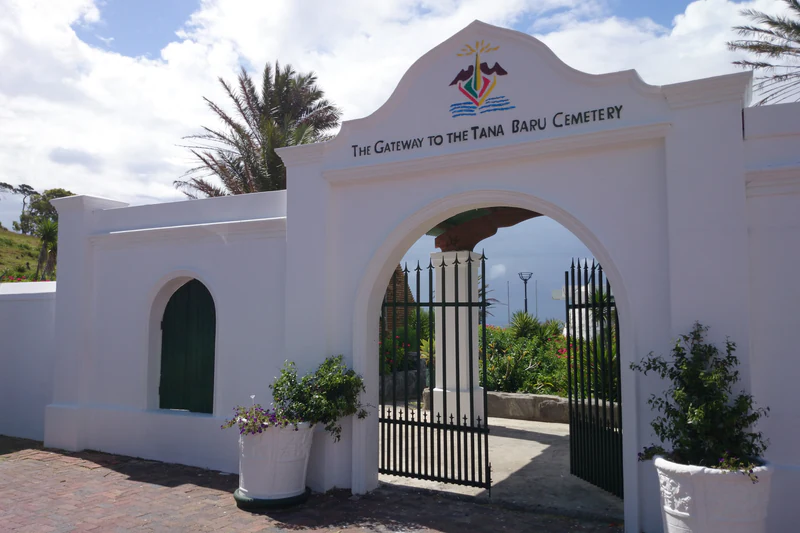
He was a friend of General Janssens, then governor of the Cape. The first grant of the ground called Tana Baru was made on 2 October 1805, under Janssens's administration, and the Cape Mazaar Society's history remembers it as a gift to Tuan Nuruman as a burial place for his family. He was buried there in about 1810, in the same ground as Tuan Guru and Tuan Sayed Alawie.
Sources: Guide to the Kramats of the Western Cape, Cape Mazaar (Kramat) Society (1996; third impression 2010); South African History Online: Tana Baru.