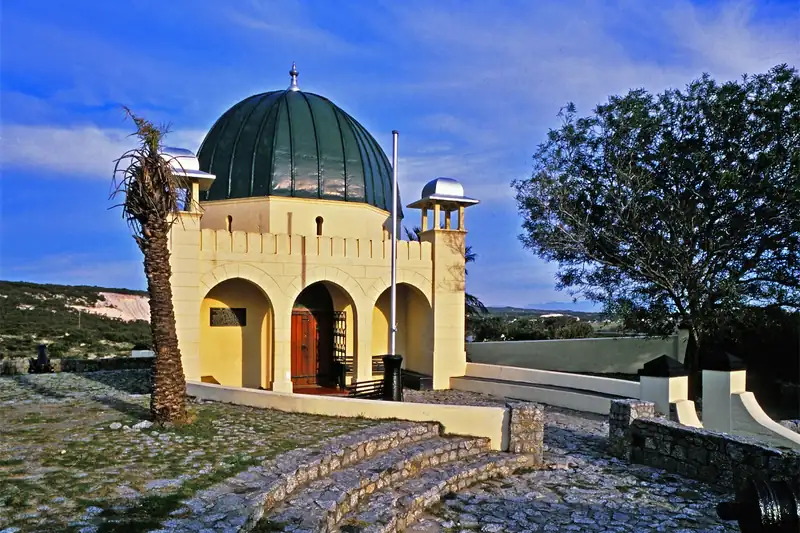
1694 The arrival
You are offline. Reconnect before sending a form.
Cape Muslim heritage
From Tuan Guru’s handwritten Qur’an to the streets of District Six. Follow the lives and places that shaped Muslim Cape Town.
Start here Go to the timeline
How to read this section
Cape Town’s Muslim community has been here since the 1650s. Its first lasting settlement was Shaykh Yusuf’s household at Zandvliet in 1694, its first mosque the Auwal Masjid on Dorp Street in 1794, and its oldest neighbourhood is Bo-Kaap. Today the community lives across the whole city.
The section is in three parts. Start here says who the community is and what Bo-Kaap is. The story in order runs from 1694 to today as a timeline; the long gaps are real and are drawn to scale. Living Cape Town covers people, food, language and the community beyond Bo-Kaap.
Every chapter ends with a place you can visit and the sources it rests on.
Who the community is and where Bo-Kaap fits, before the dates.
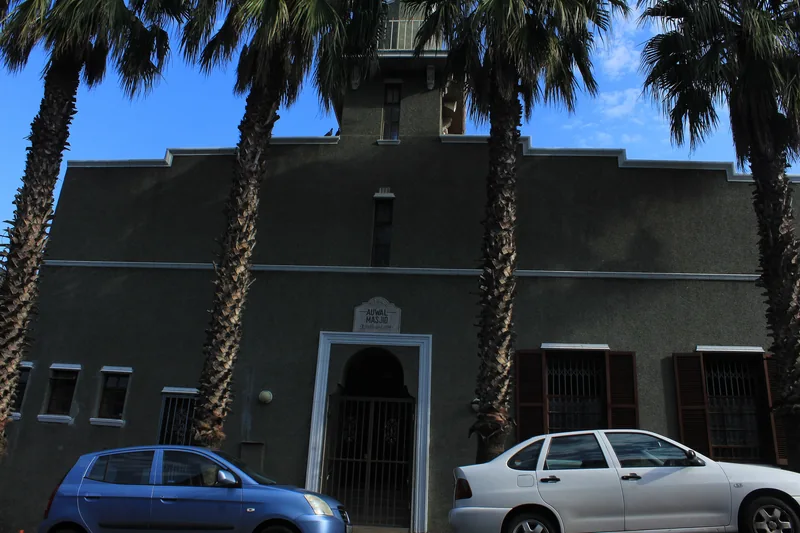
Who we are
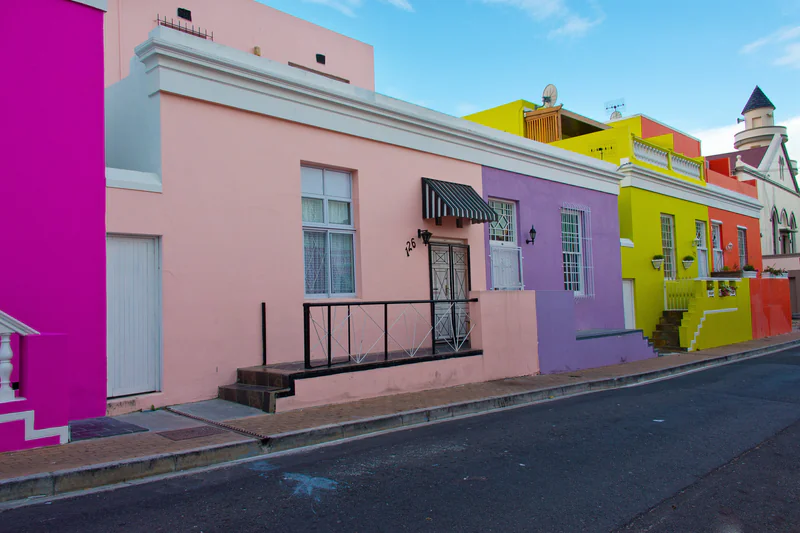
The neighbourhood
Bo-Kaap today
Ten dated chapters, from the first arrivals to today. The gaps on the line are drawn to scale.
1694 The arrival
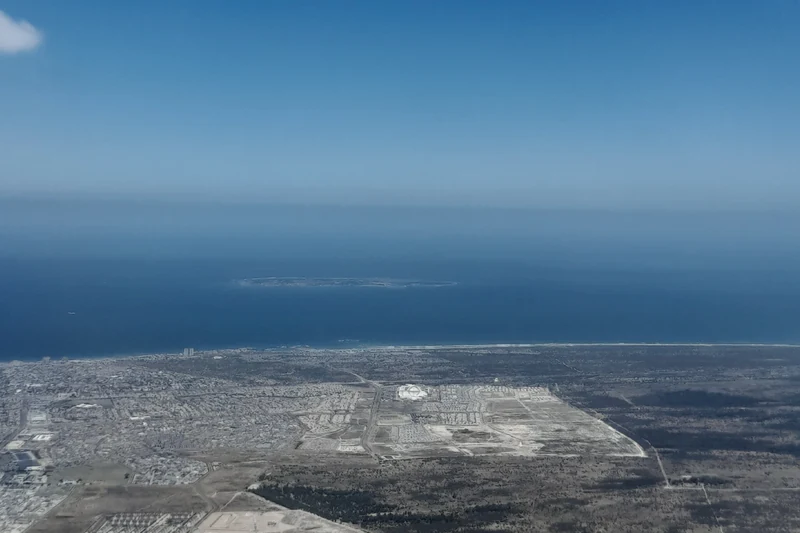
1780 Robben Island
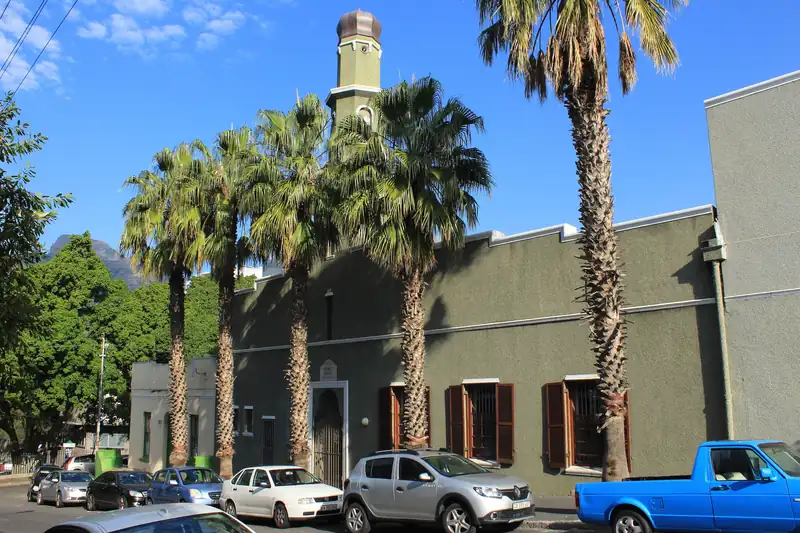
1794 Dorp Street
1834 Emancipation
1877 The Ottoman scholar
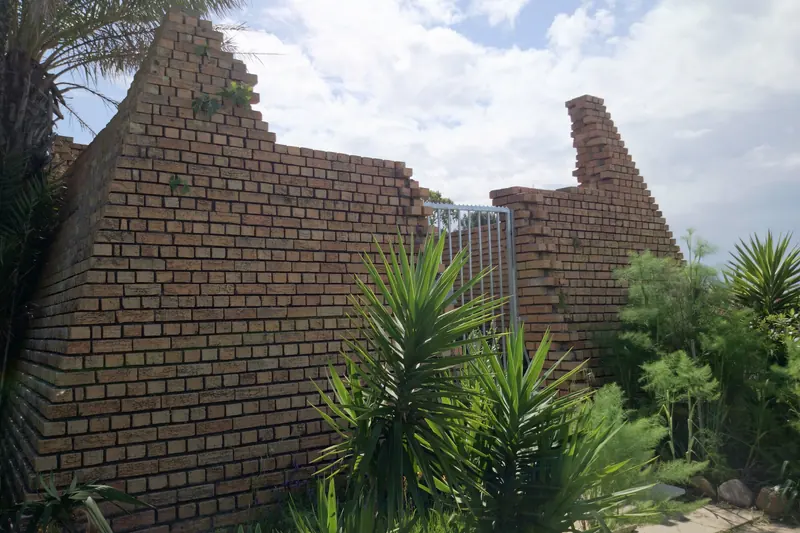
1886 Tana Baru
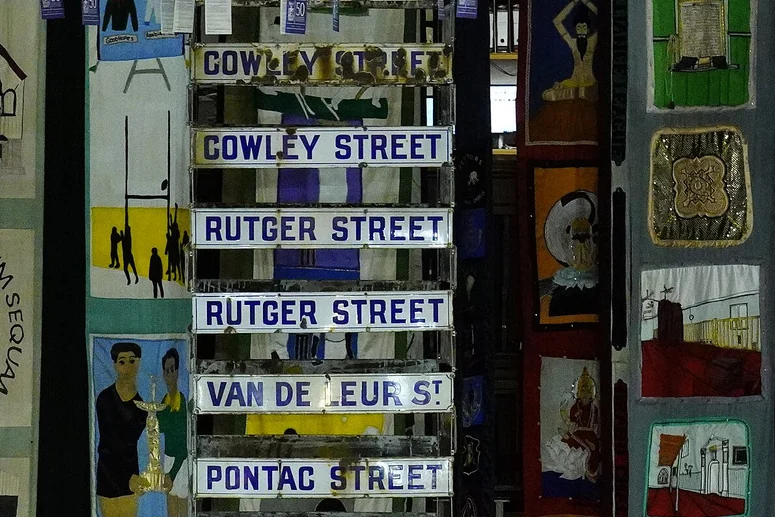
1966 Apartheid
1969 Claremont
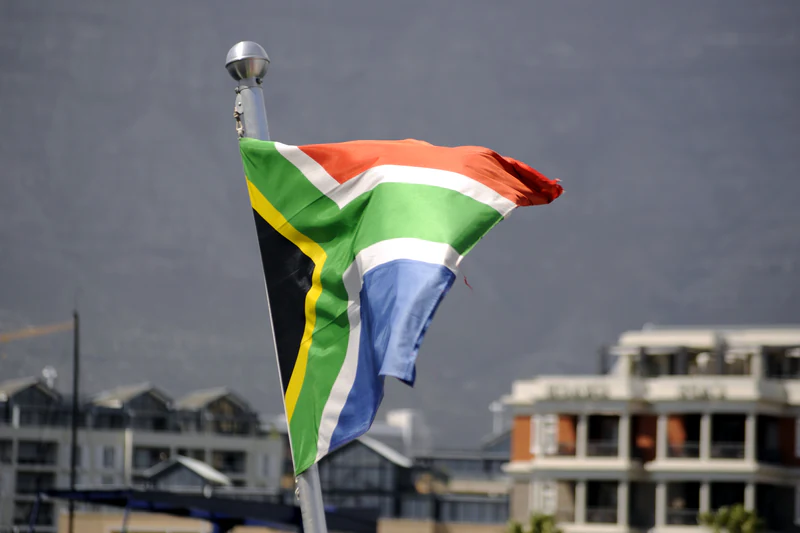
1994 Freedom
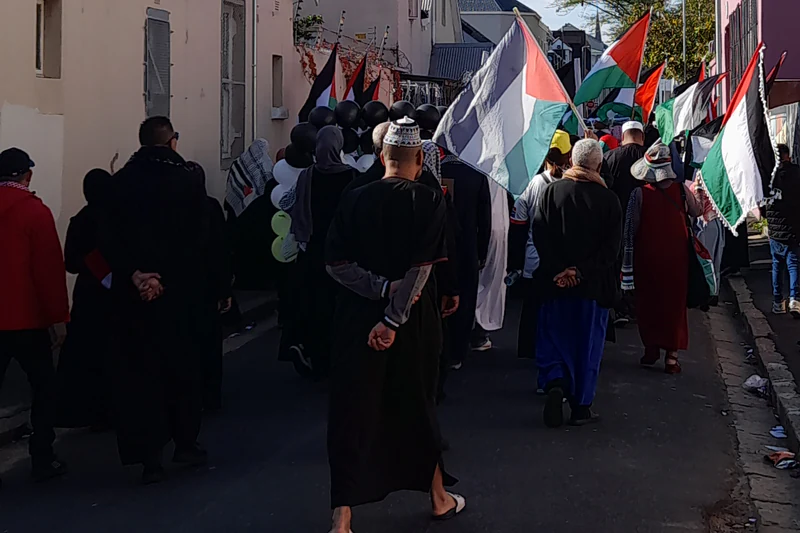
Today Salaam, Palestine
People, food, language and the community across the city.
Civic life
Language and food
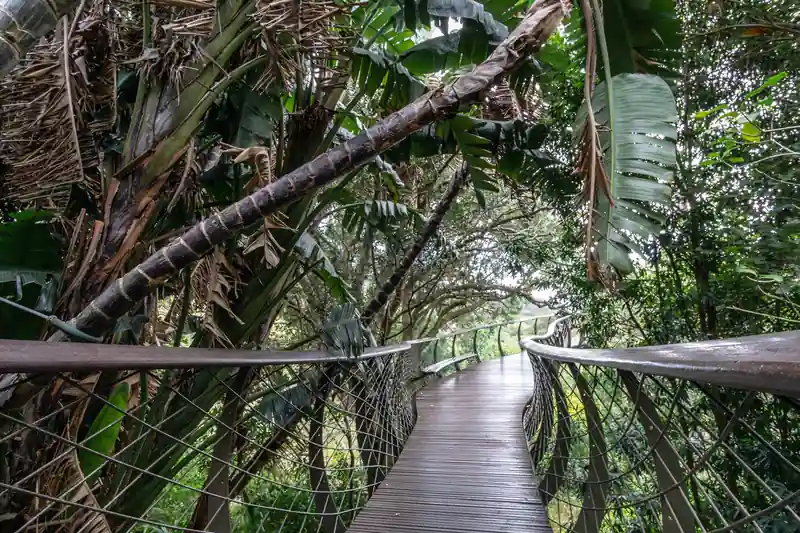
The wider community
Take the story with you
Check access and opening times before setting out. The chapter pages also link to their associated places.
The places are listed below. Use the map to see where they are.
38 Stegman Road, Claremont
Plan a visit10 Browning Road, Mowbray
Plan a visitRobben Island
Plan a visitOudekraal, above Victoria Road
Plan a visit134 Buitengracht Street, Bo-Kaap
Plan a visit185 Long Street
Plan a visitChiappini Street, Bo-Kaap
Plan a visitPlan the rest of your days around the places above.
Explore the city