1834
Emancipation
Emancipation, then apprenticeship
Share this story ↗
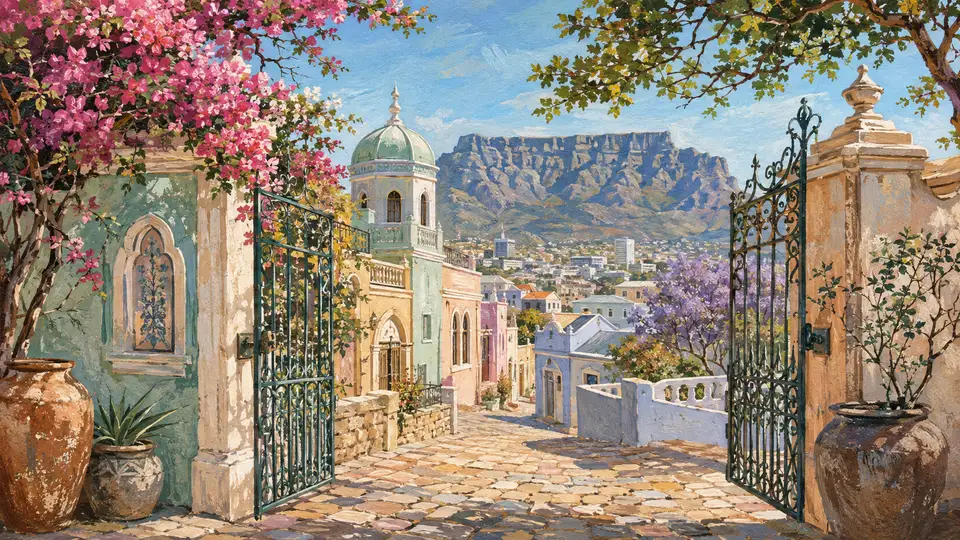
Slavery formally ended at the Cape on 1 December 1834. For the people subjected to apprenticeship, freedom was delayed until 1 December 1838.
The years between
Abolition was followed by four years of compulsory, unpaid apprenticeship. The legal change came in 1834; the end of apprenticeship came in 1838.
Where it sits in the story
The Auwal Masjid was founded in 1794 and religious freedom was proclaimed in 1804. Slavery ended in 1834 and apprenticeship in 1838. A mosque, protection for worship and freedom from enslavement came at different moments, decades apart.
Freedom in everyday life
People who had been enslaved continued under compulsory labour after formal abolition. Cape Muslim life in these years included the effort to build homes and places of worship under conditions that restricted personal freedom.
From the page to the place
Plan a visit
Bo-Kaap Museum
71 Wale Street, Bo-Kaap
The Bo-Kaap Museum uses a historic house to introduce life in the neighbourhood. It is a useful starting point before walking the surrounding streets because it gives the houses and domestic spaces a social context. The visit rewards attention to ordinary household details, which can tell you as much about a community as a large public monument.
Visiting detailsConfirm access and opening times before setting out.