In the circle of the tradition · Constantia
Sheikh Abdurahman Matebe Shah
A Sumatran leader of the resistance to the Dutch, exiled to the Company's forest at Constantia in 1668, where he taught the enslaved woodcutters.
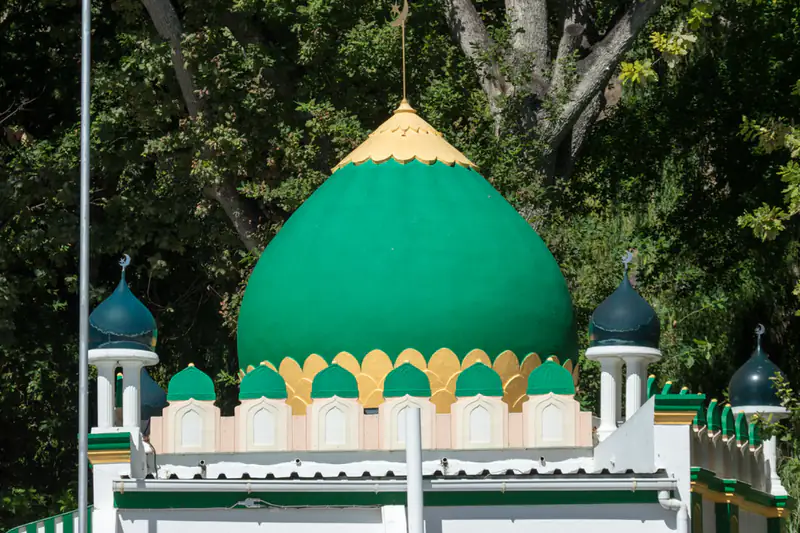
A leader from Sumatra
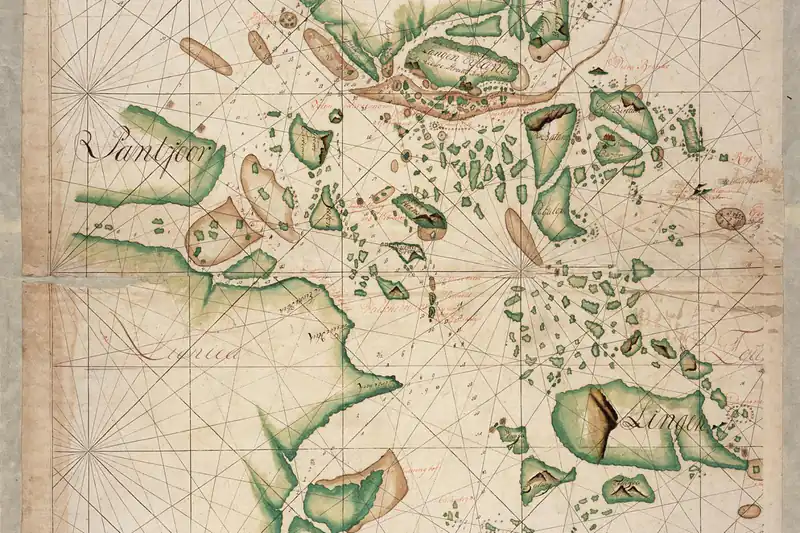
Sheikh Abdurahman Matebe Shah came from the west coast of Sumatra, the large island at the western end of what is now Indonesia, facing the Malay peninsula across the Strait of Malacca. For centuries the ports of this coast were centres of trade and of Islamic learning.
When the Dutch East India Company pressed into the region, the people of the coast resisted from the fortress of Soeroesang. Matebe Shah led them, and his followers saw him as a saint as well as a leader. The Dutch called him an Orang Cayen, a man of wealth and influence, and regarded him as particularly dangerous to their interests.
Exile to Constantia
An attack on Soeroesang in 1661 failed. A later assault took the fortress, and Matebe Shah was captured with two of his religious advisers. Executing him would have made him a martyr and an inspiration to his people, so the Company sent all three into exile instead.
The inscription at the kramat of Sayed Mahmud, taken from the Cape archives, records that the ship Polsbroek left Batavia, the Dutch capital on Java, on 24 January 1667, and reached the Cape on 13 May 1668 with three political prisoners in chains. One was sent to Robben Island. Matebe Shah and Sayed Mahmud were sent to the Company's forest at Constantia, far from the town. The Society's history counts them among the first political exiles at the Cape.
Teaching in the forest
At Constantia he befriended the enslaved people who worked the forest and taught them Islam. He died there in 1682 or 1685, the records differ, and was buried by the river, on the spot where he made wudu, meditated and prayed.
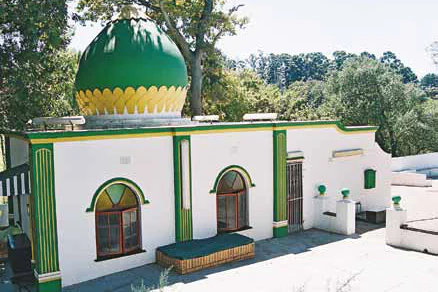
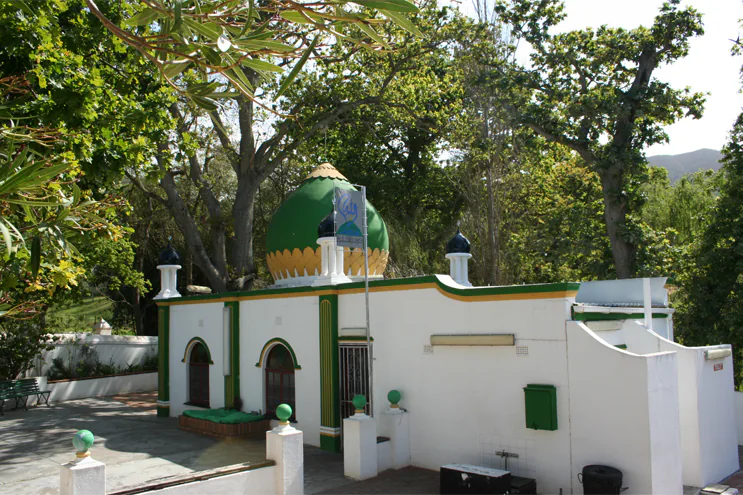
For many years his grave lay in a small wooden shrine among the trees, beside a stream, with one small window. Visitors remember the sound of running water and birdsong. When the old building wore out, the Cape Mazaar (Kramat) Society built the present shrine to a design by the architect Gawie Fagan. It stands at the entrance to the Klein Constantia estate.
Sources: Guide to the Kramats of the Western Cape, Cape Mazaar (Kramat) Society (1996; third impression 2010); Government Gazette 45602, 3 December 2021: SAHRA declaration of ten kramats.