In the circle of the tradition · Robben Island
Sayed Abdurahman Motura
Also remembered as Tuan Matarah
A scholar who comforted his fellow prisoners on Robben Island. His shrine closes the circle across the water.
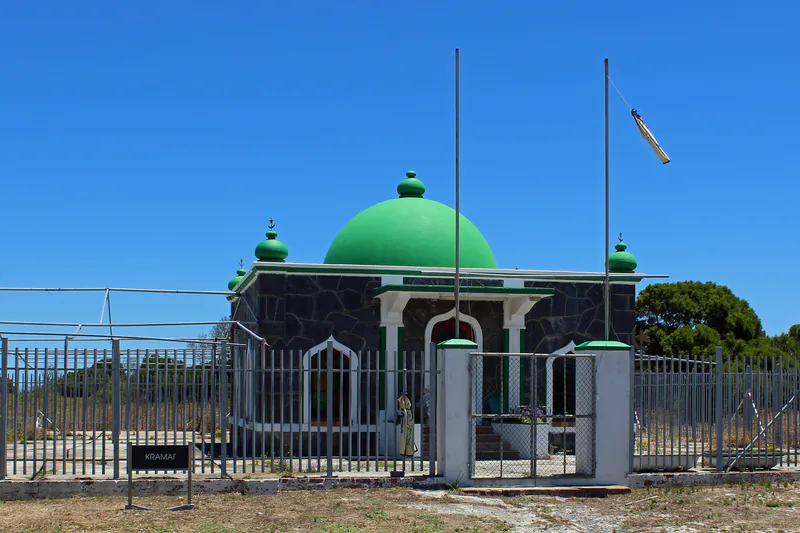
The island
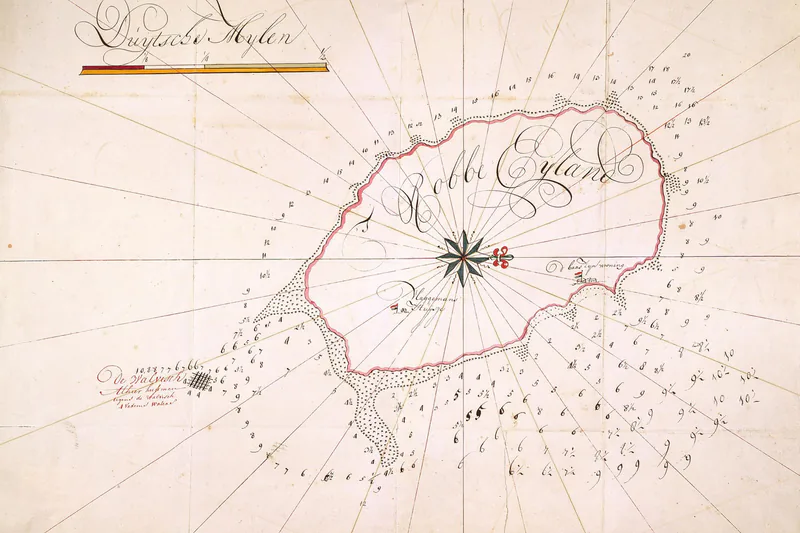
Long before it held the prisoners of apartheid, Robben Island held the Company's eastern exiles: sultans, scholars, political prisoners, convicts and enslaved people. Many of the first Muslims of the Cape passed through it. The kramat on the island keeps their memory.
Tuan Matarah
Sayed Abdurahman Motura, remembered as Tuan Matarah, was a learned and devout man. On the island he taught Islam and comforted those in difficulty. He was known for his cures and for the care he gave fellow prisoners when they fell ill.
Many stories are told about him. The best known says the island was too small to hold him: he came and went as he pleased, unseen by the warders, and walked across the water to visit friends in Cape Town.
He died on the island, and his grave soon became a place of respect. Those who had known him came there to sit and to find consolation, and prisoners who arrived after his death followed their example. When they were released, they spoke of the holy man buried on Robben Island.
The shrine
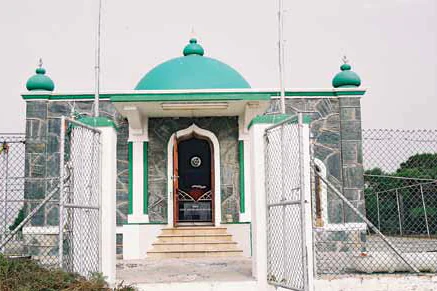
The present shrine was built by the apartheid prison authorities between 1967 and 1969. Visitors from the mainland have kept coming. The Cape Mazaar (Kramat) Society itself began in 1982 as the Robben Island Mazaar (Kramat) Committee, formed to care for this kramat.
Sources: Guide to the Kramats of the Western Cape, Cape Mazaar (Kramat) Society (1996; third impression 2010); South African History Online: the circle of kramats.